
How Long Do Reconditioned BMW 7 Series Engines Typically Last?
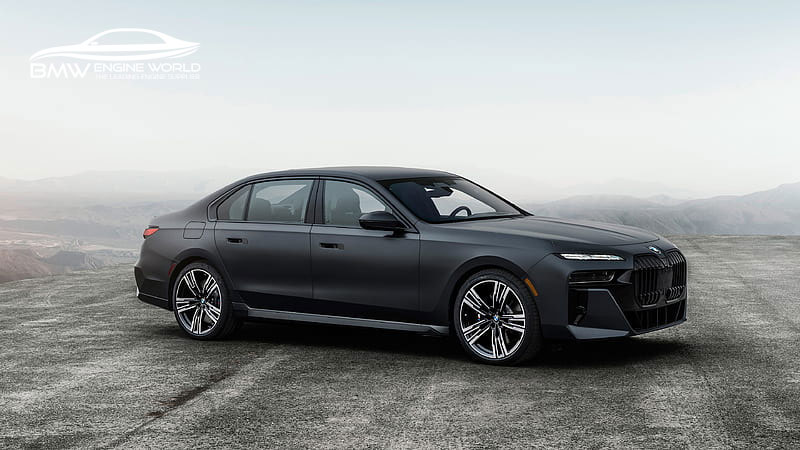
The BMW 7 Series is the epitome of luxury, performance, and engineering precision. Known for its powerful drivetrains and advanced technology, this flagship model demands equally high standards when it comes to engine performance and reliability. But what happens when a BMW 7 Series engine begins to wear out? Many owners opt for a reconditioned engine to restore their vehicle’s performance without paying the premium of a brand-new replacement. A reconditioned BMW engine is professionally rebuilt to meet or exceed original manufacturing standards, offering a practical and economical solution. However, a common question arises: how long can a reconditioned BMW 7 Series engine typically last? We will explore the lifespan of these engines, the factors that influence their longevity, and how to ensure optimal performance. We’ll also highlight why reconditioned engines are a reliable choice and what maintenance practices contribute to their durability.
What Does Reconditioning a BMW Engine Involve?
Reconditioning a BMW engine is a thorough process that involves disassembling, inspecting, cleaning, replacing worn parts, and rebuilding the engine to meet factory specifications. During the reconditioning of a BMW 7 Series engine, specialists examine critical components such as pistons, crankshaft, valves, timing chains, and gaskets. Damaged or worn parts are replaced with new or refurbished OEM-quality parts to restore performance and efficiency. The reconditioned engine is then tested under real-world conditions to ensure it performs reliably. One of the major advantages of this process is that it retains the original engine block, preserving the authenticity of the vehicle while giving it a new lease on life. With the 7 Series models often featuring complex and high-performance engines like the N63 V8 or B58 inline-6, expert reconditioning is vital. A well-reconditioned BMW engine can rival the performance of a new one if the rebuild is done by certified professionals using high-quality components.
Average Lifespan of a Reconditioned BMW 7 Series Engine
The typical lifespan of a reconditioned BMW 7 Series engine ranges between 100,000 to 150,000 miles, depending on usage, driving habits, and maintenance. In some cases, especially with careful ownership and regular service, these engines can last even longer. Reconditioned engines are built to meet or exceed original specifications, and when properly maintained, they offer similar durability to new engines. The BMW 7 Series models, known for their robust engineering, benefit from reconditioning because their performance and build quality set a high standard. While new BMW engines may last upwards of 200,000 miles, reconditioned engines still provide excellent value and reliability when cared for properly. It’s essential to understand that while the engine is rebuilt, surrounding components like the turbocharger, fuel injectors, or ECU may not be part of the reconditioning and could influence the overall performance and longevity if not serviced as well.
Key Factors That Influence Engine Longevity
Several factors affect how long a reconditioned BMW engine will last. First and foremost is the quality of the reconditioning process. Engines rebuilt by certified professionals using genuine BMW or equivalent parts are more likely to last longer. The driving style of the owner also plays a major role—frequent aggressive acceleration, short trips, or heavy loads can wear out engine components faster. Regular maintenance is critical; timely oil changes, coolant flushes, and spark plug replacements contribute to the engine’s longevity. Additionally, fuel quality matters—premium fuel with the correct octane rating should always be used in performance-focused BMW engines. Finally, climate and environmental conditions such as extreme heat or cold can influence how long engine components last. A reconditioned BMW engine that is driven gently, serviced regularly, and not subjected to extreme conditions can match or exceed the expected lifespan of many new engines.
Importance of Maintenance for Reconditioned BMW Engines
Maintenance is the most important factor in determining how long a reconditioned BMW 7 Series engine will last. While the reconditioning process restores the engine to optimal working condition, it doesn’t eliminate the need for routine upkeep. Oil changes should be performed every 7,500 to 10,000 miles using BMW-approved synthetic oil. Filters (air, fuel, oil) must be replaced at regular intervals. Periodic coolant flushes help prevent overheating and internal corrosion. Additionally, it’s crucial to monitor any unusual sounds, leaks, or warning lights and address them promptly. Scheduled services should also include diagnostic checks and visual inspections to ensure the reconditioned engine continues to operate efficiently. For those who’ve installed a reconditioned engine, keeping a detailed service log can help preserve warranty coverage and resale value. In summary, disciplined maintenance can dramatically extend the lifespan of any reconditioned BMW engine.
Warranty and Reliability of Reconditioned Engines
One of the main indicators of a reconditioned engine’s expected lifespan is the warranty offered by the supplier. Reputable rebuilders typically offer warranties ranging from 6 months to 2 years, depending on the quality of the rebuild and the parts used. These warranties not only reflect the confidence of the reconditioner in their product but also provide peace of mind to the customer. When choosing a reconditioned BMW engine, look for suppliers who offer supply and fit services, including post-installation testing and diagnostic support. Warranties often cover parts and labor, ensuring that any unexpected issues can be addressed without additional costs. While a warranty is not a guarantee that the engine will last indefinitely, it does provide insight into the quality of work. When properly reconditioned and supported by a solid warranty, a BMW engine can deliver years of reliable performance, rivaling even a new factory engine.
Comparing New and Reconditioned BMW 7 Series Engines
Choosing between a new and reconditioned engine for your BMW 7 Series often comes down to cost, availability, and performance expectations. A brand-new BMW engine can last upwards of 200,000 miles with regular maintenance, but it also comes with a much higher price tag. In contrast, a reconditioned engine typically costs 40-60% less, making it an attractive alternative for budget-conscious owners who still demand quality. While a reconditioned engine may have a slightly shorter lifespan compared to a brand-new unit, the difference is often marginal if the rebuild is done correctly. For many 7 Series owners with older models, a reconditioned engine offers the best balance of performance, value, and reliability. When properly matched to your vehicle’s specifications and installed by professionals, a reconditioned BMW engine can bring new life to your vehicle and serve reliably for many more miles.
Real-World Examples: Success Stories of Reconditioned BMW Engines
Many BMW 7 Series owners who have opted for reconditioned engines report impressive performance and reliability. Case studies from various forums and reconditioning specialists show that reconditioned engines—when fitted correctly and maintained properly—can easily cross 100,000 miles with no major issues. These success stories often come from owners who adhere to strict service intervals, use high-quality parts and fluids, and avoid aggressive driving behaviors. Testimonials frequently mention smooth performance, strong acceleration, and quiet engine operation—mirroring the experience of a new engine. Additionally, reconditioned engines are often used by commercial vehicle operators and dealerships, further proving their durability under high mileage usage. With proper documentation and transparency from the reconditioner, including test results and component lists, customers can confidently invest in a reconditioned BMW engine that delivers on both performance and longevity.