What Models in the BMW Z Series Are Compatible with Reconditioned Engines?
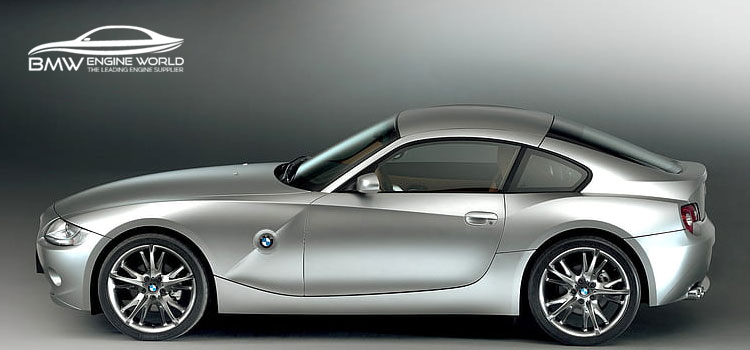
The BMW Z Series has long been celebrated for its sleek roadster design, sharp handling, and spirited performance. From the iconic Z3 to the modern-day Z4, each model is powered by a high-performance BMW engine that defines the driving experience. Over time, however, engine wear or failure may prompt the need for replacement. This is where reconditioned engines come into play — offering a cost-effective, reliable solution that breathes new life into your Z Series without the premium price tag of a brand-new engine. But not all models or engines are the same. This guide covers which BMW Z Series models are most compatible with reconditioned engines, what options are available, and what to consider when making the switch. Let’s dive into the model-by-model analysis.
BMW Z3: A Classic Roadster with Reconditioning Potential
The BMW Z3, launched in the mid-1990s, quickly gained popularity as BMW’s first mass-produced roadster. It was offered with several BMW engine options, including 1.8L, 1.9L inline-4s, and 2.5L, 2.8L, and 3.0L inline-6s. Due to its age, many Z3 units on the road today are prime candidates for reconditioned engines. Reconditioned Z3 engines are widely available in the aftermarket, and they can significantly extend the vehicle’s lifespan while preserving its performance. Whether you have the smaller M43 or the larger M52 engine, reconditioning is possible and often more affordable than buying a used engine with uncertain history. Especially for classic car enthusiasts looking to restore a Z3 to peak condition, choosing a reconditioned engine offers the reliability of modern machining techniques with the original character of the car. Professional supply and fit services ensure that the new engine integrates smoothly with the existing drivetrain and electronics.
BMW Z4 E85/E86: Early Z4 Models That Benefit from Engine Reconditioning
The first-generation Z4, known as the E85 (roadster) and E86 (coupe), replaced the Z3 and came with a range of inline-4 and inline-6 engines such as the M54 and N52. These engines are well-documented and widely supported in the reconditioning market. Reconditioned BMW engines for the Z4 E85/E86 models are typically available in 2.2L, 2.5L, and 3.0L variants. These engines are prone to issues like oil leaks, VANOS system failure, and cooling system problems over time. Reconditioning addresses these concerns by replacing worn-out gaskets, seals, sensors, and even VANOS units. These upgrades improve reliability and performance. As these models age, a reconditioned engine helps retain their resale value and driving pleasure. They’re ideal candidates for daily drivers or weekend cruisers, especially when fitted with a properly rebuilt powertrain. These engines also come with warranties, providing additional peace of mind for owners.
BMW Z4 E89: Turbocharged Models and Reconditioning Considerations
The second-generation Z4 (E89), introduced in 2009, moved to a hardtop convertible format and featured more advanced turbocharged engines like the N20 and N54/N55. These engines provided superior performance but also introduced complexity that makes reconditioning more nuanced. Turbocharged BMW engines like the N20 2.0L and N55 3.0L inline-6s are compatible with reconditioning, though the process often involves more extensive work. This includes inspecting and rebuilding the turbocharger unit, replacing timing chains (a known weak point in the N20), and thoroughly testing the engine for boost pressure and combustion efficiency. Owners of the E89 Z4 seeking better reliability without opting for a brand-new engine can greatly benefit from a reconditioned engine. It restores the thrill of driving while correcting the factory flaws that have emerged over time. However, due to the complexity of these turbocharged models, it’s essential to work with experienced technicians for engine reconditioning and installation.
BMW Z4 G29: Modern Engines and Future Reconditioning Potential
The G29 Z4, introduced in 2018, features the latest engine technology, including the B48 2.0L turbocharged inline-4 and the B58 3.0L turbocharged inline-6 found in the Z4 M40i. While these engines are relatively new, the demand for reconditioned engines is slowly emerging due to mileage accumulation and performance tuning mishaps. Because these engines use advanced electronics and emissions technology, including integrated exhaust manifolds and complex ECU mapping, reconditioning requires highly specialized equipment. However, when done properly, these engines can be restored to OEM performance levels and beyond. Reconditioned G29 engines are ideal for owners looking to restore performance without spending a fortune on new OEM replacements. Additionally, as more of these models reach higher mileages, reconditioned BMW engines will become a mainstream solution. If you plan to keep your G29 Z4 long-term, knowing that reconditioned options are available in the future offers valuable peace of mind.
BMW Z4M (E85/E86): High-Performance M Engines and Rebuilding Excellence
The Z4M is a performance icon, powered by the legendary S54 3.2L inline-6 engine — the same powerhouse found in the E46 M3. This high-revving BMW engine is cherished for its motorsport DNA but is also known for requiring meticulous maintenance. Reconditioned S54 engines are available and are often a top choice for Z4M owners looking to restore performance or prepare for track use. Rebuilding the S54 involves addressing common issues such as rod bearing wear, VANOS faults, and timing chain tensioner problems. Upgraded parts are sometimes used during reconditioning to improve longevity and performance. For enthusiasts who want to preserve their Z4M while maintaining its original charm, a reconditioned engine provides a blend of performance and reliability. It’s crucial to source from performance specialists who understand the technical requirements of M engines to get the best results.
Compatibility Factors When Choosing Reconditioned BMW Engines
Compatibility isn’t just about engine type — it’s also about ECU, gearbox matching, engine mounts, wiring, and even exhaust system integration. Each BMW Z Series model may have several engine codes over different production years, which can impact reconditioned engine compatibility.
Before selecting a reconditioned engine, verify your existing engine code (e.g., N52B30, N20B20) and ensure the replacement matches or is properly configured for your model year. Reputable suppliers typically offer supply and fit services to manage this complexity. Reconditioned engines may also require updated engine control units (ECUs) or reprogramming to align with your vehicle’s electrical systems. Working with BMW specialists ensures that you avoid costly compatibility issues and guarantees optimal integration for your specific Z Series model.
Benefits of Choosing Reconditioned Engines for BMW Z Series Models
Whether you’re driving a Z3, Z4, or Z4M, a reconditioned BMW engine offers several key advantages. First, it’s cost-effective — you pay significantly less than a new engine while still enjoying near-factory performance. Second, reconditioned engines undergo rigorous testing and often come with warranties that give you confidence in their durability. Moreover, reconditioning allows for the replacement of weak OEM components with improved parts, enhancing engine reliability and efficiency. This can lead to better fuel economy, smoother performance, and reduced emissions. For those aiming to restore their car to daily-driving condition or prep it for performance builds, reconditioned engines offer unmatched versatility. Best of all, it’s a sustainable choice. Reconditioning supports the automotive circular economy, reducing waste and environmental impact. With the growing availability of professional reconditioned engine services, BMW Z Series owners now have a practical alternative to costly engine replacements.
Choosing the Right Supplier for Reconditioned BMW Z Series Engines
Not all reconditioned engines are created equal. When replacing your BMW engine, selecting a reputable supplier is crucial to ensuring quality, reliability, and proper fitment. Look for specialists who provide detailed information on what components have been replaced or upgraded, offer performance guarantees, and back their products with solid warranties. A top-tier supplier should also offer installation services or work with certified installers to manage the supply and fit process seamlessly. Ask about their experience with your specific Z Series model and whether they perform testing like compression, leak-down, or dynamometer runs before delivery. Avoid purchasing from sources that offer vague details or lack reviews. Trusted suppliers will happily provide documentation, part warranties, and customer support. Choosing the right supplier not only ensures smooth operation but also protects your investment over time.