
Which BMW 7 Series Engine Is Best for Reconditioning: Petrol or Diesel?
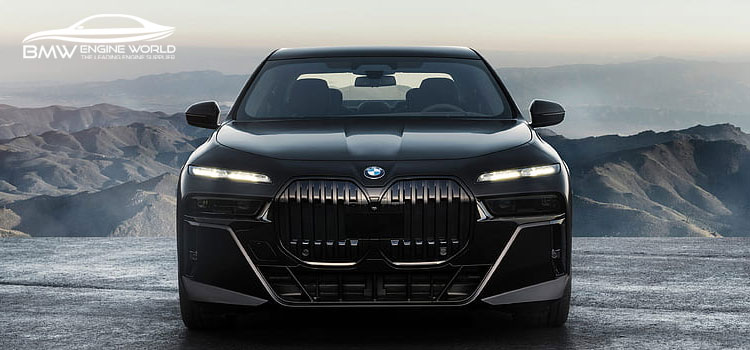
The BMW 7 Series represents the pinnacle of luxury sedans, offering both petrol and diesel engine configurations. When considering reconditioned engines for your BMW 7 Series, understanding the fundamental differences between these powertrains is crucial. The petrol variants typically feature inline-six and V8 configurations, delivering smooth power delivery and refined performance. Diesel options, predominantly inline-six turbodiesels, offer exceptional torque and fuel efficiency. The reconditioning process for both engine types involves comprehensive rebuilding, replacing worn components, and restoring performance to near-original specifications. Each BMW engine type presents unique advantages and challenges during reconditioning, from component availability to technical complexity. The choice between petrol and diesel ultimately depends on your driving requirements, budget considerations, and long-term ownership plans for this prestigious vehicle.
Petrol BMW 7 Series Engine: Reconditioning Benefits
Petrol-powered BMW engines in the 7 Series lineup offer distinct advantages when considering reconditioning. These engines typically feature less complex emission systems compared to their diesel counterparts, making the reconditioning process more straightforward and often more cost-effective. The availability of replacement parts for petrol variants is generally superior, particularly for popular models like the 740i and 750i.
Reconditioned engines in petrol configurations deliver that characteristic BMW smoothness and high-revving performance that enthusiasts appreciate. The absence of diesel particulate filters and complex diesel emission equipment means fewer potential failure points post-reconditioning. Additionally, petrol engines tend to have simpler fuel injection systems, reducing reconditioning complexity. For owners who prioritize performance and spirited driving, a reconditioned petrol BMW engine maintains the responsive throttle and linear power delivery that defines the 7 Series driving experience.
Diesel BMW 7 Series Engine: Reconditioning Advantages
Diesel BMW 7 Series engines present compelling arguments for reconditioning, particularly for high-mileage drivers. The 730d and 740d variants feature robust engine blocks designed to withstand the higher compression ratios inherent to diesel combustion. These reconditioned engines often demonstrate exceptional longevity, with many properly maintained diesel units exceeding 300,000 miles.
The superior fuel economy of diesel engines translates to ongoing savings that can offset initial reconditioning costs. Modern BMW diesel engines incorporate advanced turbocharging technology that, when properly reconditioned, delivers impressive torque across the rev range. The inherent durability of diesel engine components means that core engine blocks often require less intensive machining during reconditioning. For buyers prioritizing economy and long-distance comfort, a reconditioned diesel BMW engine offers remarkable efficiency while maintaining the luxury and refinement expected from the 7 Series nameplate.
Cost Comparison: Petrol vs Diesel Reconditioning
Financial considerations play a crucial role when selecting between petrol and diesel reconditioned engines for your BMW 7 Series. Generally, diesel engine reconditioning involves higher initial costs due to the complexity of components like high-pressure fuel pumps, turbochargers, and emission control systems. A typical reconditioned BMW engine in diesel configuration might cost 15-25% more than an equivalent petrol variant. However, the long-term equation changes when factoring in fuel consumption differences.
Diesel engines can deliver 30-40% better fuel economy, particularly beneficial for high-mileage users. Parts availability also affects pricing, with petrol BMW engine components often more readily available and competitively priced. The reconditioning warranty coverage should be carefully evaluated, as diesel engines may have more extensive warranty terms due to their complexity. Labor costs for diesel reconditioning tend to be higher, reflecting the specialized knowledge required for modern common-rail diesel systems and emission equipment servicing.
Performance Characteristics After Reconditioning
The driving experience with reconditioned engines varies significantly between petrol and diesel BMW 7 Series variants. Petrol engines maintain their high-revving character, with power delivery remaining smooth throughout the rev range after professional reconditioning. The immediate throttle response and linear acceleration that characterize petrol BMW engines are fully preserved when reconditioning is performed to manufacturer specifications.
Conversely, reconditioned diesel engines excel in low-end torque delivery, providing effortless acceleration from standstill and superior overtaking ability at highway speeds. The turbocharged nature of diesel variants means reconditioning must pay particular attention to boost pressure systems and intercooler efficiency. Both engine types, when properly reconditioned, should return performance metrics close to factory specifications. The refinement levels achievable with quality reconditioned engines rival new units, particularly when upgraded components are incorporated during the rebuilding process, offering an opportunity to enhance reliability beyond original specifications.
Longevity and Reliability Considerations
Long-term reliability represents a critical factor when investing in reconditioned engines for the BMW 7 Series. Diesel engines inherently possess stronger internal components designed to handle higher compression forces, translating to potential longevity advantages. A properly reconditioned diesel BMW engine can reliably serve for 200,000+ additional miles with appropriate maintenance. Petrol variants, while potentially requiring more frequent servicing, benefit from simpler systems with fewer potential failure points.
The timing chain systems in petrol BMW engines, when replaced during reconditioning, effectively reset the reliability clock. Diesel engines face challenges with diesel particulate filter systems and EGR valves, which may require ongoing attention even after engine reconditioning. The quality of the reconditioning process itself dramatically impacts longevity for both fuel types. Reputable reconditioned engine suppliers provide comprehensive warranties, typically ranging from 12-36 months, offering peace of mind regardless of fuel type selection for your BMW 7 Series restoration project.
Environmental and Practical Considerations
Modern environmental regulations increasingly influence the petrol versus diesel debate for BMW 7 Series engines. Diesel engines face stricter emissions scrutiny, with many urban areas implementing low-emission zones that restrict or charge diesel vehicles. This reality affects the long-term viability and resale value of diesel-powered 7 Series models.
Reconditioned engines must meet current emission standards, potentially requiring additional investment in emission control equipment for diesel variants. Petrol BMW engines generally face fewer regulatory restrictions, offering greater flexibility for urban driving. From a practical standpoint, diesel fuel availability remains excellent across most regions, though pricing volatility can impact running costs. The servicing requirements differ notably, with diesel engines requiring more frequent oil changes and fuel filter replacements. For environmentally conscious buyers, modern reconditioned petrol engines with efficient turbocharging technology offer a reasonable compromise between performance and emissions, while reconditioned diesel engines maximize fuel efficiency and reduce CO2 emissions per mile traveled.
Making Your Final Decision
Selecting between petrol and diesel reconditioned engines for your BMW 7 Series ultimately depends on individual circumstances and priorities. High-mileage drivers covering over 15,000 annual miles typically benefit more from diesel engine economy, quickly recouping the higher initial reconditioning investment. Conversely, enthusiast drivers prioritizing performance and throttle response find greater satisfaction with reconditioned petrol BMW engines.
Consider your typical driving environment; urban-centric usage favors petrol engines’ cleaner emissions and smoother low-speed operation, while motorway-focused driving suits diesel engines’ efficiency and effortless cruising ability. Budget constraints matter significantly, with diesel reconditioning requiring larger upfront investment but offering fuel savings. The intended ownership duration influences this decision; shorter ownership periods may not justify diesel’s premium reconditioning costs. Consult with reputable reconditioned engine suppliers who can assess your specific vehicle’s condition and recommend the optimal solution. Quality reconditioning transforms either engine type into a reliable powerplant, ensuring your BMW 7 Series continues delivering the luxury, performance, and prestige that define this exceptional vehicle for years to come.