
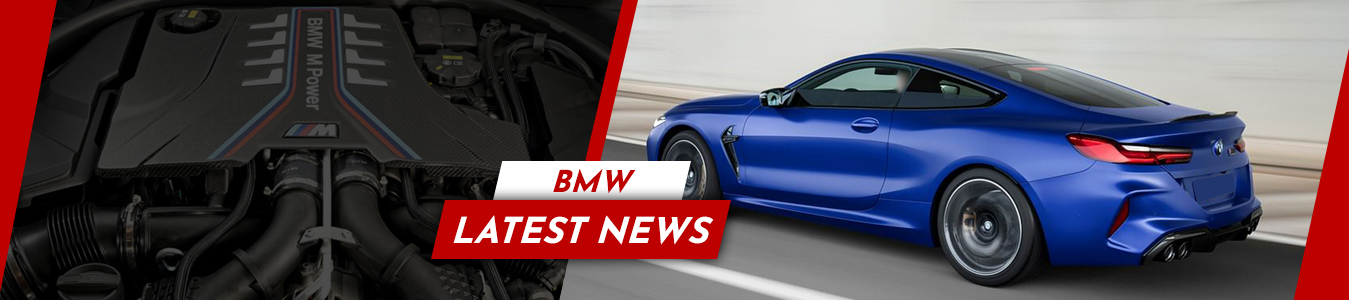
How is a BMW 7 Series engine reconditioned to maintain original performance standards?

Reconditioned BMW engines play a critical role in extending the life and enhancing the performance of luxury vehicles like the BMW 7 Series. Reconditioning provides an economical alternative to new engines while maintaining the precision, power, and reliability associated with BMW engineering. The reconditioning process is intricate and requires advanced technology and skilled craftsmanship to restore the engine to its original performance standards. We explores the detailed steps and quality measures involved in reconditioning BMW 7 Series engines, ensuring that they meet the exacting specifications expected by BMW enthusiasts and drivers.
Comprehensive Assessment and Inspection
The foundation of reconditioning BMW 7 Series engines is a thorough initial assessment. Expert technicians dismantle the engine and scrutinize every component using advanced diagnostic tools such as borescopes and ultrasonic testers. Parts like pistons, cylinder heads, crankshafts, and valves are checked for wear, cracks, corrosion, and warping. This precise inspection identifies which components can be refurbished and which must be replaced, ensuring the core engine quality aligns with BMW’s original standards. A flawless assessment is essential to guarantee a reliable reconditioned engine that delivers authentic BMW performance.
Meticulous Disassembly and Cleaning
Following assessment, the engine undergoes careful disassembly, with each component labeled and documented to avoid errors during reassembly. Every part is then subjected to advanced cleaning techniques including ultrasonic cleaning, vapor blasting, and chemical degreasing. These methods remove carbon deposits, grime, and oil sludge that accumulate over time. Thorough cleaning prepares parts for inspection, machining, and reassembly, preventing contaminants from compromising the engine’s efficiency. Cleanliness is crucial for optimal lubrication and reducing friction, thus extending the reconditioned engine’s lifespan.
Precision Machining and Component Restoration
Machining is a vital stage where worn parts are resurfaced or repaired using state-of-the-art equipment to meet factory specifications. Cylinder heads are resurfaced, crankshafts are ground to restore smoothness, and cylinder walls are honed to the ideal crosshatch pattern needed for proper oil retention and piston movement. This meticulous machining enhances the mechanical harmony and efficiency of BMW engines. Any cracks or structural damages found during inspection are carefully repaired to uphold safety and performance. Precision machining ensures every reconditioned BMW 7 Series engine delivers power and refinement.
Replacement with Genuine BMW Parts
Reconditioned BMW engines require replacement of wear-prone components such as piston rings, bearings, gaskets, and seals. Using genuine BMW parts is critical to maintain engine integrity, compatibility, and performance. These OEM parts undergo rigorous quality control and fit perfectly, preventing premature failures and ensuring smooth operation. Counterfeit or inferior parts compromise engine reliability and reduce fuel efficiency. The strict use of authentic components in reconditioned BMW 7 Series engines safeguards long-term performance and preserves the vehicle’s luxury driving experience.
Skilled Reassembly and Calibration
After cleaning, machining, and part replacement, the reconditioning process moves to the delicate task of reassembly. Expert technicians meticulously fit each component to exact BMW torque specifications and alignment standards. The engine’s assembly must avoid any deviations that could affect performance or lead to premature wear. Following mechanical reassembly, advanced calibration tools are used to fine-tune the engine management system. This step optimizes fuel injection, ignition timing, and air/fuel mixture to ensure the reconditioned engine runs efficiently with smooth throttle response, mimicking the performance of a brand-new BMW engine.
Rigorous Testing and Quality Assurance
Once reassembled, the reconditioned BMW 7 Series engine undergoes comprehensive testing, essential to validate its performance and reliability. Tests include compression tests, leak-down assessments, and dynamometer evaluation under simulated real-world conditions. These procedures check for proper sealing, oil pressure, fuel delivery consistency, emissions, and overall engine power output. Any abnormalities detected during this phase necessitate adjustments or repairs. Passing these rigorous tests confirms the engine meets or exceeds BMW factory standards, providing peace of mind to owners about the quality and longevity of their reconditioned engine.
Performance Optimization and Tuning
Beyond restoring factory specifications, some reconditioned BMW engines receive performance tuning tailored for enhanced driving dynamics. Using sophisticated software, technicians adjust engine parameters like fuel maps and ignition timing to boost horsepower and torque without sacrificing engine reliability. This stage employs dyno testing to ensure power gains are balanced with drivability and fuel efficiency. The performance optimization phase allows reconditioned engines to maintain the sporty character BMW is known for, giving drivers a thrilling yet dependable ride.
Finishing Touches and Environmental Compliance
The final steps in reconditioning include cosmetic and functional finishing touches such as painting the engine block with corrosion-resistant coatings. This protects the engine from environmental damage and promotes longevity. Moreover, reconditioned engines are checked to ensure they comply with current emission standards using modern catalytic converters and exhaust gas recirculation systems. This focus on environmental compliance highlights BMW’s commitment to sustainability while delivering engines that perform as cleanly and efficiently as their new counterparts.